A NEW study to help make the great outdoors more accessible for those living with dementia is being undertaken by the University of Worcester after it received dedicated funding, writes Sam Wadsworth.
The university’s Association for Dementia Studies (ADS) will join forces with Natural England and a range of leading health and green space organisations after the National Lottery Heritage Fund provided £153,000 for the project.
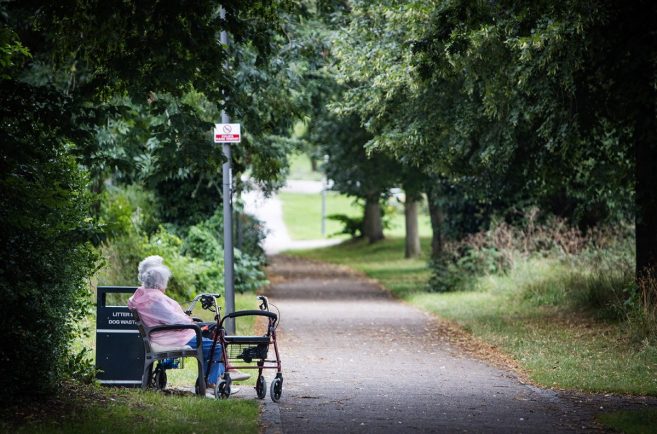
Extensive research by the ADS shows there are significant barriers for people affected by dementia as they often have trouble accessing outdoor space.
This is because individuals often struggle with confidence, navigation and uncertainty about available facilities.
The new study is aimed at removing those restrictions for the millions impacted by the condition and, in doing so, help them to feel more confident and comfortable in the outside world.
Many spaces lack dementia-friendly design features such as clear signage, accessible paths and appropriate seating areas and staff members and volunteers are often uneducated on the needs of a person suffering with the disability.
This new study will create free, practical resources and tools which help those responsible for outdoor spaces become dementia-friendly and inclusive.
This will include an environmental self-assessment tool and an app offering training videos and case studies.
Sarah Waller CBE, from the Association for Dementia Studies, will lead the research.
“There are nearly a million people living with dementia in the UK, yet many face personal and practical barriers to assessing outdoor spaces that could transform their wellbeing.
“This project will see the creation of free, easy-to-use resources so parks and nature reserves can assess their spaces, make improvements and welcome people with confidence.”
Further down the line, the study will pave the way for funding opportunities, enabling park operators to apply for grants to improve features such as signage, pathways and seating as they act as case studies for dementia friendly outdoor spaces.