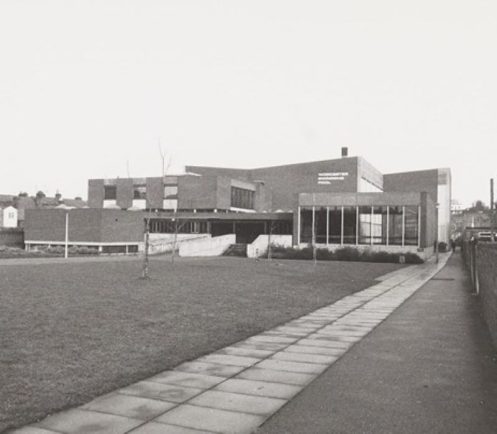

A NEW history podcast dives into the memories of Worcester’s Sansome Walk Swimming Baths.
Produced by Worcestershire County Council’s Archaeology team and oral historian Julia Letts, the series captures personal memories of the much-loved baths before its closure in 2016, through the voices of those who knew it best.
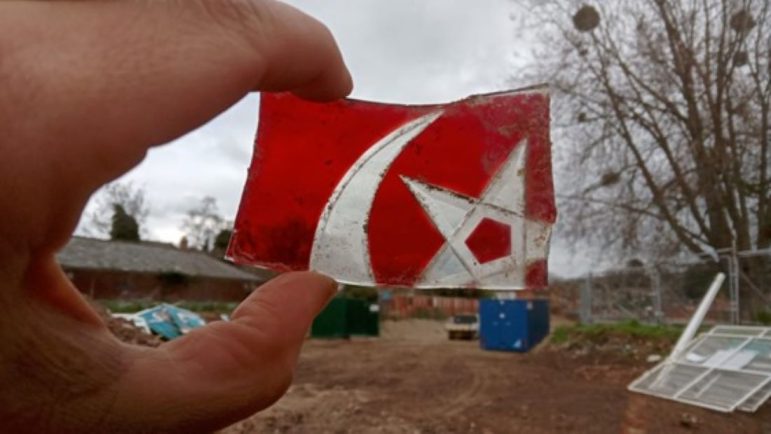
The two episodes trace the history of the Sansome Walk Hotel and Baths from 1852 to the present day. Listeners will hear from local residents, including the son of the former owners, talking about the Turkish baths and outdoor pool (affectionately known as Park’s Puddle). The episodes also explore the swimming pool and the recent archaeological works ahead of the redevelopment.
WCC’s community archaeologist Constance Mitchell said: “Sansome Walk was at the heart of Worcester life. Everyone has a story about the site, from learning to swim, to competing in galas, and it’s been a joy to preserve their memories.”
People can listen to the podcast on Spotify by searching for the ‘Stories of Worcester’ channel.
The oral history interviews will be added to the collections held by WCC’s Archives at The Hive, as well as the Worcester Life Stories website and Know Your Place Worcester online heritage map.
Dave Soothill, Sanctuary’s national development director, added: “We are committed to investing in Worcester and delivering high-quality new affordable homes for local people. Our ongoing work to redevelop this important site in the heart of the city into much-needed new housing is an important part of that.
“We recognise the rich history of Sansome Walk and are delighted to be working with Worcestershire Archaeology to ensure this is preserved for generations to come.”
The podcast has been supported with funding from housing provider Sanctuary, which is developing new homes on the Sansome Walk site, and has undertaken a programme of archaeological work with WCC’s archaeology team as part of the planning process.
Incorporating oral history into this project has helped to ensure that valuable local knowledge and memories of this historic space are not forgotten.