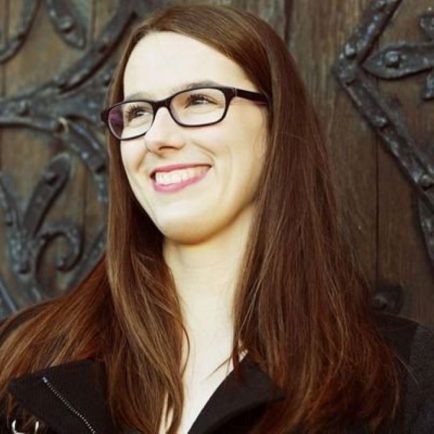
A MUM-of-two who once believed she ‘wasn’t good enough’ for university is now graduating with a PhD that explores how to empower silenced learners.
Anastasia Kennett studied for her undergraduate degree in Special Educational Disabilities at the University of Worcester before embarking on a PhD exploring ‘silencing’ in learning environments, and how people with diversities can find themselves without a voice in education.
She was diagnosed with dyslexia at 17, and later with dyspraxia while studying for her undergraduate degree at Worcester. More recently, she also received a diagnosis of ADHD.
She struggled throughout school, always feeling she wasn’t good enough and didn’t pass any of her GCSEs.
With perseverance, Anastasia passed her GCSEs while at college but still felt convinced she wasn’t academic enough to make it at university.
Anastasia’s PhD examined how ‘silencing’ happens in education; where diverse students can lose their voice through fear, judgement, or masking, and how universities can create safer, more inclusive environments that help them speak up.
She said: “Silencing usually happens in childhood, in the home environment or at school. It’s usually a fear that they’re going to get told off, or that someone will be angry with them, so they develop coping strategies of silencing. By the time they arrive at college or university, they’re effectively silent in the classroom.”
Alongside her studies, Anastasia has also been lecturing at the University of Worcester, drawing on her own experiences to support students in the classroom.
Anastasia’s research explored how diverse students can begin to regain their voice by healing the fear created in childhood and developing the confidence to express themselves without worrying about judgement.
She found that students want staff to be genuine with them and accept them without judgement and her own experiences of silencing helped her build deep connections with the students who took part in the research and with the students she has been teaching.
Anastasia continued that the reality of becoming Dr Kennett still hasn’t sunk in.
She added: “I don’t think I quite accept it. I’m not sure the world realises just how hard people try when they’re diverse, and how resilient they have to be. We lose a lot of people from education because of it, and I just want people to know they must keep going, keep persevering, and remember that there is a space for you in universities.”