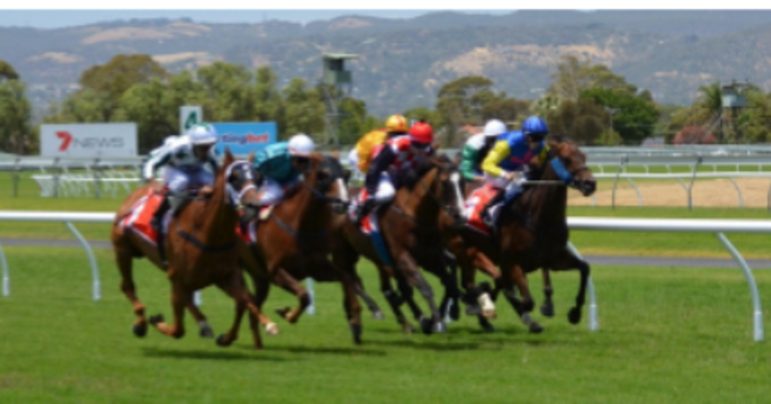
In the thrilling world of horse racing, much of the spotlight is often placed on the horses themselves — their lineage, form, and performance. But behind every great racehorse is a jockey whose skill, decision-making, and connection with the animal can mean the difference between victory and defeat. These riders are not mere passengers – they are finely-tuned athletes executing complex
strategies at breakneck speeds. Understanding the art of the jockey sheds light on one of the sport’s most underrated yet crucial elements.
More Than Just a Rider
Jockeys are far more than just professionals in silks and boots. They are tacticians, athletes, and often horse whisperers rolled into one. Despite their lightweight stature, their impact is heavyweight when it comes to race outcomes. Every movement they make — from how they position the horse at the start, to when they make the decisive push — is calculated and can have a dramatic impact on the finish line result. Jockeys must master balance and timing. They ride with incredible finesse, often in a crouched position that minimises wind resistance and maximises control. Their strength lies not in brute force but in their ability to communicate seamlessly with the horse, making split-second decisions in the chaos of a crowded field.
Riding Styles and Race Strategy
Just like horses, jockeys have individual styles and preferences. Some excel at riding from the front, setting the pace early and trying to hold off challengers. Others are known for their hold-up tactics — waiting patiently in the pack before unleashing a late charge. These stylistic differences are often influenced by the horse’s natural rhythm, the layout of the course, and even the weather.
One jockey might favour aggressive tactics on a shorter track, pushing for position early, while another may prefer a conservative approach on a longer course, trusting their mount’s stamina to shine in the final furlong. Adapting to each race scenario is part of the jockey’s craft. They must also read the race as it unfolds, adjusting for other horses’ moves and responding to changes in pace, gaps in the field, or shifting track conditions.
The Human-Horse Connection
Perhaps the most fascinating part of a jockey’s role is the bond they develop with their horse. Horses, like people, have quirks and moods. A skilled jockey takes the time to understand these — sensing when a horse is anxious, knowing how to coax a bit more speed, or identifying when to ease off to conserve energy. Some jockeys are known for being particularly in sync with certain horses, forming partnerships that produce consistent results. These pairings are often watched closely by racing fans and punters alike. The trust between jockey and horse is built over time and often translates into performance on the track.
Traits That Define Great Jockeys
Notable jockeys tend to share several key traits:
• Tactical Intelligence: The best jockeys have an innate feel for timing and positioning. They know
when to hold back and when to strike.
• Calm Under Pressure: With the roar of the crowd and the thundering of hooves all around,
composure is critical.
• Physical Fitness: It’s a gruelling job. Jockeys must maintain strict weight requirements while retaining
strength, flexibility, and endurance.
• Resilience: Injuries are common, and comebacks are part of the journey. Mental toughness is as
important as physical skill.
Factoring Jockeys into the Racing Equation
For many fans and punters, the jockey can be a deciding factor when assessing a race. While some may focus solely on form guides and past race results, others pay close attention to who’s in the saddle. A change in jockey — especially the addition of a more experienced or in-form rider — can sway opinions. This is why many horse racing betting sites UK include detailed statistics about jockeys, their win percentages, and track records. Observant punters may spot a pattern of success between a jockey and trainer, or a rider with a particularly strong history at a specific course. Such insights add depth to the viewing and betting experience. The art of the jockey is a blend of athleticism, intuition, and strategy. These unsung heroes of the turf play a vital role in every race, guiding half-ton animals with a touch, a shift in weight, or a flick of the reins. Whether you’re a casual viewer or a seasoned racing fan, taking a moment to appreciate the skill and instinct of the jockey can offer a new perspective on what makes this sport so captivating.
This is a submitted article.