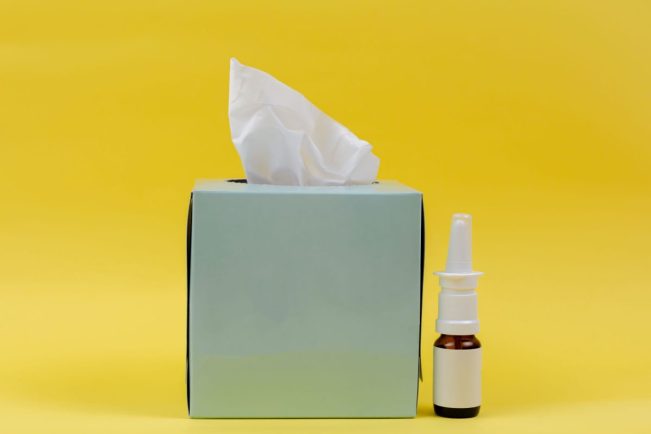
Allergies might sound like nothing more than a minor annoyance, but they can be quite painful for everyone struggling with them. Depending on the person, an allergic reaction can range from mild and almost non-existent to potentially life-threatening, so it’s important to keep them under control. However, just because you have an allergy doesn’t mean you should stop doing all the things you enjoy. You just need to be more mindful of your surroundings and develop strategies to protect yourself.
Food allergies
Hypersensitivity to different foodstuffs is among the most common causes of allergies. While they most commonly develop during early childhood, they can appear at any age. Sometimes, you might even become allergic to a food you’ve eaten for years with no problem. The best way to protect yourself against a food allergy is to avoid the ingredients causing you problems. When you go grocery shopping, you need to make sure you lead all the labels carefully before purchasing an item.
You mustn’t avoid this step. Sometimes, even when a certain food seems unlikely to continue a particular ingredient, it might still be present in small quantities that can trigger a reaction. Other times, a food item might come in contact with an allergen during the production process. When you have dinner at a friend’s house, ask them to be mindful of your allergies. If they cook with something you’re sensitive to, that ingredient shouldn’t get into your meal.
Eating in a restaurant might be a little trickier, but it’s not impossible to enjoy a good meal outside just because you have an intolerance. Make sure to tell the waiter of your allergies before ordering. All the dishes used to prepare and plate your food should be thoroughly washed to avoid cross-contamination. If you followed all these steps but were still served a dish that triggered a severe allergic reaction, you are entitled to start a compensation claim. Head down to https://www.how-to-sue.co.uk to get a better idea of the process and what you need to know before starting the proceedings.
A specialised solicitor will contact you and discuss all the evidence you should get ready to ensure your case is successful.
Seasonal allergies
Seasonal allergies, also known as allergic rhinitis or hay fever, typically occur between March and June. However, grass and weed pollen can cause allergies for even longer, extending into July to September. If you’re dealing with seasonal allergies, you already know they can make you feel downright miserable sometimes. The most annoying thing about them is that you also have to deal with the fatigue they bring on top of the discomfort.
While there’s no definitive treatment, there are several things you can do in order to stay safe. After you spend time outdoors, make sure to change your clothes and take a shower to remove all the allergens. Make sure you wear sunglasses, ideally, the wrap-around kind, so that your eyes don’t come in contact with any allergens. Keep an eye out for the weather forecast as well. Some include pollen counts in their bulletins. If the forecast shows a likelihood of over fifty grains per cubic metre, you know it’s a high concentration likely to trigger an allergic reaction. If you know your allergies can become severe and you don’t absolutely need to go outside, it’s better to stay indoors. If you must go outside, you can protect your nostrils by applying a small amount of petroleum gel to trap pollen.
When it comes to your laundry, you most likely already know that air-drying is the best option. Not only is it better for the garments as it helps keep them in shape and protects them from damage, but it is also more energy-efficient. However, if you are hypersensitive to pollen, you should avoid drying on the line during allergy season. Regularly taking antihistamines can also help prevent a reaction before it occurs or reduce inflammation after the symptoms have already appeared.
Pet allergy
Pets are one of life’s greatest joys. They offer companionship and unconditional love while asking for nothing in return. However, in the case of some people, they can also trigger allergies. This is particularly the case for animals with fur, like cats, dogs, rabbits or hamsters. These animals shed dead skin cells that cause allergy symptoms in those predisposed.
Dander can easily become airborne or attach itself to bedding or furniture. It can be carried on items outside the home as well. If you’re dealing with a dander allergy, you’ve probably noticed symptoms such as a stuffy nose, watery eyes, and sneezing. You might also develop a cutaneous reaction by coming into physical contact with pet dander, such as hives, a rash or dermatitis. If you have asthma, animal flakes can worsen your symptoms or trigger a response.
The best way to minimise your pet allergy is to minimise your exposure to animals. However, if you already have pets and find it impossible to give them up, you must ensure the dander doesn’t stay on your furniture. Make sure that your carpets and clothing are cleaned regularly. You can also use air purifiers to decrease the amount of allergens in the air. Yet, if your symptoms are persistent, you should talk to a medical practitioner who can provide the proper medical treatment.
Antihistamines and decongestants are usually all it takes to resolve the symptoms of mild allergies. If your case is more severe, you might need to require corticosteroids or leukotriene modifiers to keep your allergies under control.
Insect bites
Most insect bites can cause allergies, including those of bees, wasps, mosquitoes and ants. The manifestation differs among those affected; while some get itching and swelling, others might get anaphylactic shock. Mosquito bites are known for causing a local allergic reaction known as the Skeeter syndrome. In extreme cases, the swelling is so severe that the patient has trouble moving around. The lone star tick, commonly found in the United States and Mexico, can cause people to develop a meat allergy.
To avoid insect bites, make sure to wear long sleeves and trousers when possible. Wearing light colours can also help you quickly identify insects and remove them before they have a chance to bite you. You should also avoid being outdoors near dusk or dawn and use an insect-repellent spray on your body.
Allergies can be very annoying, but if you take some protective measures, you can live your life without worrying.