The use of headlights in rural areas has its own peculiarities, and it is important to observe certain rules and etiquette. Rural areas can be less well-lit and less busy than city streets, so care and safety on the road are especially important. Following these tips will help you navigate rural areas safely and respectfully. Rural areas can often contain pedestrians, bicyclists, animals, and slow-moving farm vehicles. Be considerate and give way to them if necessary. In rural areas, roads may be covered with dust, dirt, or gravel. Turn on your headlights in these conditions to be visible to other drivers, and keep your headlights clean to maintain good visibility. If you encounter farm vehicles or tractors, give way to them. They usually move slowly and can take up an entire lane of traffic. If you are traveling through a rural area, be respectful of the local people. Follow the rules of the road, don’t make unnecessary noise and watch your speed. When entering an intersection or changing direction, always use turn signals to warn other drivers of your intentions.
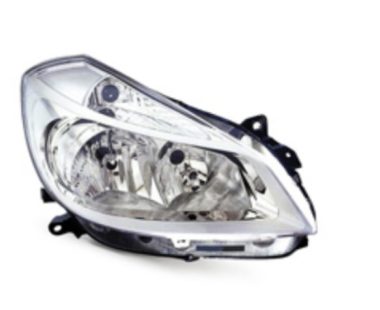
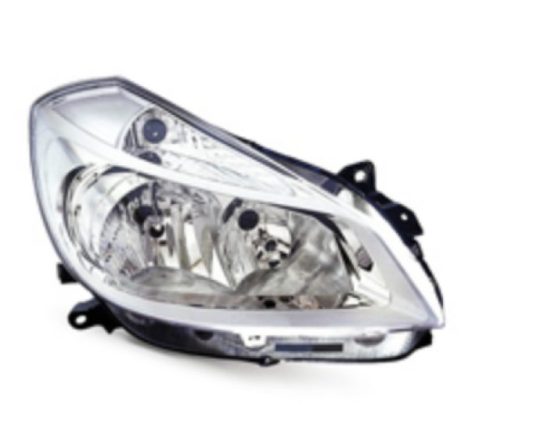
Using car headlights such as in the photo from buycarparts.co.uk in remote locations, such as rural areas or deserted roads, involves some specific recommendations and restrictions. Here’s what you can and cannot use:
High beam and low beam: You can use both low beam and high beam headlights, depending on the road conditions. The low beam should be used when you encounter other vehicles or when traveling behind another vehicle. High beam can be turned on when there are no other drivers in the vicinity.
Additional headlights and spotlights: In remote areas where lighting is limited, you can use additional headlights and spotlights to improve visibility. However, their use must be legal and not create a blinding effect on other drivers.
Headlights with adaptive lighting systems: Many modern vehicles are equipped with adaptive lighting systems that automatically adjust the direction of the headlights depending on speed and steering angle, increasing safety on the road.
What not to use:
High beam when meeting other drivers: High beam must not be used when driving towards or overtaking other vehicles, as this may blind drivers and cause danger.
Dipped beam in poor visibility: If visibility on the road is severely restricted by fog, rain or snowfall, the dipped beam may not be sufficient for safe driving. In such conditions, the use of additional fog lights or other means to improve visibility is recommended.
Abuse of auxiliary headlamps: Using too many auxiliary headlamps, especially in the face area of an oncoming driver, can blind the driver and create a dangerous situation on the road.
Precautions when using auxiliary headlamps: If you have auxiliary headlamps or spotlights, make sure they are properly set up and adjusted so that they do not dazzle other road users.
Using the high beam when there are other drivers in the vicinity: Do not leave the high beam on when there are other drivers, even if they are moving in the other direction or parked. This can be disturbing and blinding to them.
Remember, safe use of headlights in remote locations requires obeying traffic laws and respecting other drivers. Use your lighting equipment as efficiently as possible to ensure your visibility and safety on the road, but avoid creating dangerous situations for other road users.
This is a submitted article