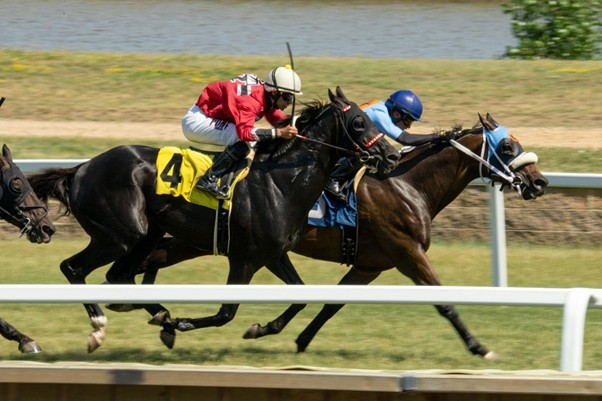
The Preakness Stakes sits at a critical point in the racing calendar. It follows the Kentucky Derby and often reshapes expectations for the rest of the Triple Crown season. For bettors, it’s not just about form and pedigree but about patterns. Recent betting trends are influencing how people approach race day, from odds interpretation to wagering strategies.
Understanding these trends helps readers move beyond surface-level insights. It shows how public sentiment, data, and betting markets interact, shaping expectations and guiding more informed decision-making.
Market Movement Matters
One of the clearest signals in modern horse race betting is market movement. Odds no longer remain static. They shift as money flows in, often reflecting both public opinion and informed wagers.
Tracking these shifts provides context that traditional handicapping alone cannot offer. Bettors are increasingly paying attention to how odds change in the hours leading up to the race.
The rise of online platforms has made preakness betting more dynamic. For readers learning how to bet on the Preakness Stakes, these live updates can be useful because they show how the market reacts to new information throughout the day.
Key indicators to watch include:
- Sudden shortening of odds for mid-tier contenders,
- Consistent drift in early favorites,
- Late money entering the pool close to post time.
These movements suggest where attention is building. They also reveal how collective behavior shapes expectations around likely outcomes.
Data Driven Decision Making
Data has become central to how bettors approach the Preakness. Historical performance, track conditions, and jockey statistics are now widely accessible. This has shifted betting behavior toward more structured analysis.
Rather than relying on instinct, bettors are using data points to form clearer views. This includes comparing recent race speeds and assessing consistency across different track surfaces. The emphasis on data has also helped refine expectations. Bettors are less likely to overreact to a single strong performance. Instead, they look for patterns that indicate reliability.
Common data points gaining attention include:
- Average finishing times across recent races,
- Performance on similar track conditions,
- Jockey and trainer combinations with proven records.
This approach creates a more disciplined mindset. It encourages evaluation based on evidence rather than perception alone.
Public Sentiment and Crowd Influence
Public sentiment plays a significant role in shaping betting markets. The Preakness attracts wide attention, and this creates a strong influence on casual bettors. When a horse gains popularity, it often affects odds even if the underlying data remains unchanged. This crowd influence can shift expectations quickly.
Understanding this dynamic helps bettors interpret the market more clearly. It becomes easier to distinguish between genuine performance indicators and popularity-driven movement. Media coverage also amplifies certain narratives. A compelling storyline can drive attention toward specific contenders. This can lead to overrepresentation in betting pools.
Experienced bettors recognize this pattern. They assess whether sentiment aligns with measurable performance. This helps maintain a balanced perspective and avoids overreliance on hype.
Track Conditions and Race Day Context
Track conditions are a major factor in shaping expectations for the Preakness. Weather, surface composition, and maintenance all influence how horses perform. Recent trends show increased attention to how conditions evolve throughout the day.
Bettors are monitoring earlier races to understand how the track is behaving. This real-time observation allows for more precise decision-making. It also highlights how context can shift expectations even close to race time.
Important considerations include:
- Whether the track favors early speed or late closers,
- Changes in surface moisture due to weather,
- Performance patterns from earlier races on the card.
By focusing on these elements, bettors can adjust their perspective. It adds a layer of situational awareness that complements statistical analysis.
Technology and Accessibility
Technology has transformed how people engage with Preakness betting. Mobile platforms and live data feeds have made information more accessible than ever. This accessibility has changed expectations. Bettors now anticipate immediate updates and detailed insights at every stage of the process.
The availability of advanced tools also supports deeper analysis. Users can compare trends, track odds movement, and review performance data within seconds. This has created a more informed audience and accelerated decision-making, as bettors respond quickly to new information. Technology continues to shape how expectations are formed. It encourages a more proactive approach and supports more consistent engagement with the market.
Trainer Patterns and Preparation Cycles
Trainer behavior has become an increasingly important factor in shaping Preakness expectations. Preparation cycles, race spacing, and conditioning strategies often signal how a horse is positioned for race day.
Bettors are paying closer attention to how trainers manage the short gap between the Kentucky Derby and the Preakness. Some focus on recovery and measured training. Others keep a stronger routine to maintain rhythm and sharpness.
These choices can influence public perception well before post time. They also add context that past race results alone cannot fully explain. Workout timing, training intensity, and a trainer’s record in quick turnaround spots all help shape expectations. Following these patterns closely gives readers a clearer sense of readiness. That makes trainer preparation an important part of understanding how race day narratives take shape.
Shifting Expectations for Race Day
Preakness betting trends are redefining how race day is approached. Market movement, data analysis, and public sentiment all contribute to a more complex environment. Bettors are no longer relying on a single perspective. They are combining multiple inputs to form clearer expectations. This layered approach reflects the evolving nature of the betting landscape.
As trends continue to develop, the focus remains on understanding how information influences behavior. Recognizing these patterns allows for a more structured and informed approach to the Preakness. The result is a more thoughtful engagement with the race. Expectations are shaped not just by tradition, but by insight and awareness of how the market operates.