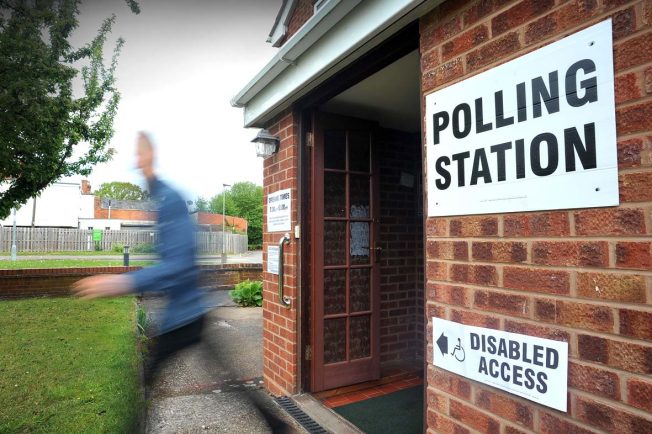
With local elections just weeks away, new polling suggests voter support is shifting significantly across England and Wales.
A new survey of voting intentions indicates Labour could lose its long-held dominance in Wales for the first time in modern political history.
The projection points to Plaid Cymru emerging as the largest party in the Senedd, with Labour falling behind both Plaid and Reform UK.
If borne out at the ballot box, the result would mark a significant change in Welsh politics. Labour has led in Wales for more than a century and has held a majority or led government in every Senedd election since devolution began in 1999.
The projection, based on a detailed multilevel regression and post-stratification analysis, suggests Plaid Cymru could win 33 of the Senedd’s 96 seats. Reform UK is forecast to take 29 seats, with Labour falling to 17.
The implications extend beyond Wales, with Labour also facing challenges across England.
Out of 136 councils up for election, the party currently leads or controls 83. That number is expected to fall to around 42, with nearly half of those remaining in London.
Reform UK is projected to make significant gains in both traditional Labour and Conservative areas. At the upper end of estimates, the party could take control of as many as 69 councils, driven by support from voters in former Labour heartlands and parts of the East of England.
More cautious projections still place Reform ahead of Labour, with around 56 councils compared to Labour’s 42. The Liberal Democrats and Conservatives trail behind, reflecting a more fragmented political landscape.
Labour’s traditional northern strongholds are also under pressure. Cities including Leeds, Manchester and Sheffield are becoming increasingly competitive. In Greater Manchester, Labour’s lead over the Green Party has narrowed to less than one percentage point.
In Sunderland, held by Labour since 1974, the party is now polling around 10 points behind Reform. Barnsley, a Labour stronghold for more than 50 years, is also forecast to change hands.
The Conservatives are facing losses in parts of southern England. Counties including Essex, Suffolk and Norfolk are expected to be closely contested, while areas such as East and West Sussex and Hampshire could shift towards either the Liberal Democrats or Reform.
In some areas, Conservative support is projected to fall to around 15 per cent. Even traditionally strong areas such as Surrey are becoming less certain following boundary changes and shifting voter support.
London remains a relative stronghold for Labour, though some losses are expected. The party is forecast to retain control of 19 boroughs, two fewer than in 2022. The Green Party is expected to make gains in several areas, potentially splitting the left-leaning vote.
Overall, the polling points to a more fragmented and competitive political landscape, with voters increasingly moving away from traditional party loyalties.
If reflected in the results, the elections could mark a significant shift in British politics, with implications for both major parties.
Local elections are due to take place on 7 May 2026.
The findings are drawn from a multilevel regression and post-stratification (MRP) poll carried out by JL Partners for The Telegraph.