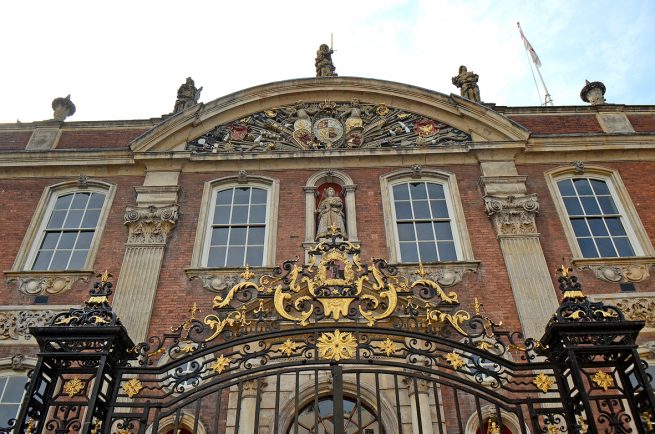
City councillors are to meet next week to discuss how to respond to the government’s plans to reorganise local government in the region.
An extraordinary meeting of Worcester City Council has been called for February 11, to start off the process of devolving more power from Westminster and to develop its official position on the reorganisation through a working group.
In December last year the government announced that in two-tier areas of the country, that structure will be replaced by a single unitary authority that delivers all local services.
The councils in Worcestershire – the city council, Worcestershire County Council and five other district councils – have been asked by the government to come up with a plan for how a unitary authority can be created.
Councillor Lynn Denham, leader of Worcester City Council, said: “The government’s overall aim of giving more powers to local communities is a very welcome one, but our immediate task is to ensure that our city continues to have the voice it needs when the changes to local government within Worcestershire come into effect.
“I look forward to a constructive cross-party discussion on February 11 and to working with councillors from all sides to develop our response to the government’s proposals.”
A report to be debated at the meeting notes that Worcester has existed as a city for hundreds of years, with King James I awarding it a royal charter in 1621, and previously had the status of a unitary authority until 1974.
It says that locally-specific issues will need to be properly understood in the preparation of any legislation which abolishes existing local authorities and their powers and functions.
This includes careful consideration of the city’s heritage, much of which is vested in the city council by virtue of a succession of royal charters and some local legislation.
The report also notes that the government’s white paper, which sets out the principles of reorganising, expects all councils in an area to work together to develop unitary proposals that are in the best interests of the whole area and to work with government to bring about these changes as swiftly as possible.
Councils in two-tier areas of England are not able to opt out of the reorganisation process, the longer-term aim being for the new unitary authority to join forces with others in region to form a strategic authority.
This body will take on powers that have been devolved from Westminster on matters such as transport and planning for new infrastructure.
The new unitary council covering Worcester will take over all local services – from bin collections to running schools – in either April 2027 or April 2028. The timetable will be set by the government’s decision on whether to postpone this May’s elections for Worcestershire County Council as requested by its leader Simon Geraghty in January.
It is expected to make an announcement on this imminently.
If the May elections are postponed, the initial proposals for the new council structure will need to be submitted in late May. Elections to a ‘shadow’ authority would then be held in May 2026, and that body would set up the new unitary council, which would start work in April 2027.
If the May elections go ahead as planned, the deadline for final proposals will be in the autumn of 2025, but interim plans will need to be submitted to the government in March. The elections to the shadow authority would then be in May 2027 and the new council would take power in April 2028.