HOUSEHOLD food waste collections are set to begin next year across Worcester – but there look to be a few teething problems along the way.
The Department for Environment, Food and Rural Affairs (DEFRA) has provided capital funding to all councils who undertake waste and recycling collections to pay for new trucks, and food caddies and bins for residents.
A report to Worcester City Council’s environment committee recommends that £735,000 of that money is used to purchase seven new vehicles that will be needed to collect food caddies from every home across the city.
However, the report also notes that the DEFRA funding is not enough to cover all the set-up costs of the new service, with the city council currently facing a shortfall in capital funding of £263,000. The committee will be asked to support the use of the council’s financial reserves to make up the shortfall.
The report also highlights that the running cost for the new service is expected to be an annual £893,000. The council is waiting to hear the level of revenue funding it will receive from DEFRA to offset these costs.
Due to the uncertainty over that revenue funding and the expectation that it will take 15 months to implement a new service, the committee report says the city council is aiming to launch the new service in the autumn of 2026, a few months after the national target date. Nationally, many other councils are expected to do the same.
The Government wants domestic food waste collections to be introduced in March 2026. This will follow the launch of food waste collections for businesses with ten employees or more on March 31 this year.
Coun Karen Lewing, vice chair of the city council’s environment committee, said: “Next year’s launch of food waste collections from people’s homes will be a big moment in Worcester’s journey towards becoming a more environmentally sustainable city, and improving the quantity and quality of recycled material.
“We’ll be sending all the waste food we collect to an anaerobic digester to be turned into biogas. That means we’ll be generating new energy from the food that city residents throw away.
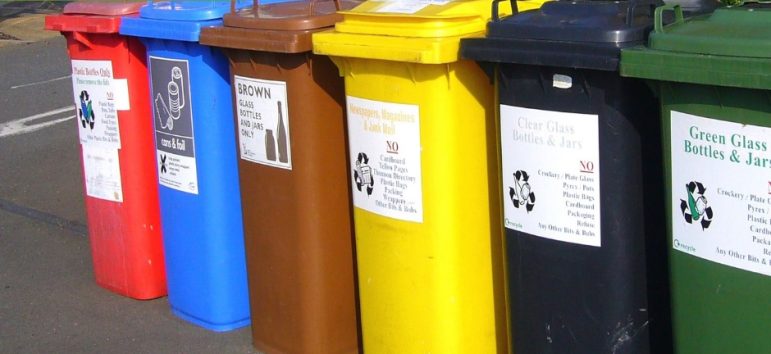
“We’ll be collecting food waste alongside people’s normal black and green bins, but introducing a major service like this is complex and challenging, so the environment committee will be looking carefully at every detail over the coming months to make sure we get it right.”
Food waste collections for Worcester businesses will go live as scheduled on March 31. Local firms can sign up for the service at www.worcester.gov.uk/recycling-waste