VISITORS to the National Archives will be able to sample recipes from a First World War digital cookbook designed by students at the University of Worcester.
The book, which is based on dishes used on the home front during the 1914-1918 conflict, was launched last year but will now feature a family day hosted by the venue at Kew, in London.
Students on the university’s graphic design and multimedia course spent three months working on the ‘live brief’, which was set by Maggie Andrews, Professor of Cultural History at the University, as part of her work with the Voices of War and Peace WW1 Community Engagement Hub.
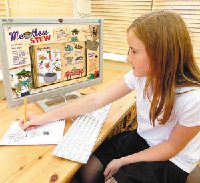
Entitled ‘WW1 Food Fight’, the recipes encourage children to engage with the centenary of the First World War.
It includes recipes like a meatless stew, an eggless sponge cake and a baked jam roll, as well as sheets and games for schools and children’s groups.
The family day event, on Saturday (August 6) will focus on food and drink during wartime, particularly on rationing and the changes in diet during both the First and Second World Wars.
As part of this, there will be an opportunity to taste some food from genuine First and Second World War recipes.
Professor Andrews said: “The First World War cookbook project has really engaged young people with the First World War Homefront and it is a wonderful example of the many opportunities that students are being offered as a result of the University’s work with the Voices of War and Peace WW1 Hub.”
Since its publication, the cookbook has been handed out for use to local schools and libraries across Worcestershire and Herefordshire.
Andy Stevenson, senior lecturer in design, who was in charge of the project, said: “I’m absolutely delighted.
“As this piece of work is not just theoretical, it has an output at the end, it has had an obvious effect on the students and the way they approach their work.”