Businesses across Worcester could soon feel the effects of the escalating conflict in Iran, as global tensions ripple through international energy markets and push up the cost of natural gas and electricity.
Although the fighting is taking place thousands of miles away, the consequences may already be felt much closer to home.
Impact on the British wholesale gas market
Great Britain no longer produces sufficient natural gas in the North Sea to meet domestic demand. Consequently, the British gas system relies heavily on imports.
The biggest sources of imported natural gas in Britain come from:
- Undersea pipelines to Norwegian gas fields
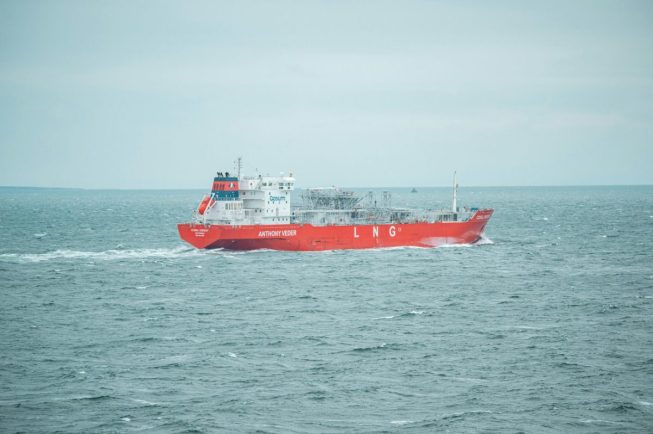
- LNG deliveries are shipped globally, principally from the US and Qatar
Since the start of the conflict involving Iran, LNG shipments from Qatar have faced disruptions as they passed through the Strait of Hormuz.
The result is a supply shock in the global LNG market, where energy suppliers in Britain must compete for scarce supplies with other gas-importing countries in Europe and Asia. This increased competition pushes prices higher across the entire market. As a result, British domestic and business gas suppliers must pay more to secure fuel, even if the gas itself ultimately arrives from Norway, the United States, or other producers.
Knock on effect on the electricity market
Despite efforts to decarbonise the national grid, gas-fired power plants continue to play a vital role in electricity generation in Great Britain.
Gas-fired power stations, which consume vast quantities of natural gas, provide a responsive back-up source of electricity when wind farms are not producing enough power to meet demand.
Rising wholesale gas prices mean the electricity produced by gas-fired power plants has become more expensive. Because of the way the wholesale electricity market is structured, this pushes up wholesale electricity prices across the entire market.
Impact on businesses energy tariffs
Energy analysts at Cornwall Insight are predicting a 10% rise in the overall cost of electricity and gas due to the effect of the conflict on wholesale energy markets.
For businesses in Worcester, from manufacturers and food producers to offices and hospitality venues, energy is one of the largest operating costs.
Companies on flexible or variable energy contracts are likely to feel the impact first, as wholesale price increases feed through into tariffs almost immediately. Firms on longer fixed-price contracts may be shielded for now, but could face higher costs when those agreements are renewed.
What businesses can do to manage rising energy costs
While global energy prices are outside the control of individual companies, there are several steps businesses in Worcester can take to reduce their exposure to sudden price spikes.
One of the most important actions is reviewing energy contracts. Businesses on flexible or variable tariffs may want to consider fixing a portion of their energy costs to reduce the risk of further market volatility. Even short-term fixed contracts can provide some protection if prices continue to rise.
Companies can easily compare business electricity prices using an online service to identify the cheapest rates currently available on the market.
Improving energy efficiency is another effective strategy. Simple measures such as upgrading lighting to LED systems, improving insulation, or installing smart energy controls can significantly reduce electricity consumption.
For larger premises, formal energy audits can identify where energy is being used inefficiently and highlight opportunities for savings.
While the current spike in global energy prices may prove temporary, experts say the situation highlights the importance of energy planning for businesses. Those that invest in efficiency, flexible energy use, and smarter procurement strategies are likely to be better protected from future market shocks.