For many households in the UK, rising energy costs are a pressing concern. Home energy grants provide a practical solution, helping residents lower their energy bills while also improving energy efficiency. But how do these schemes work, and are you eligible to benefit from them? Here, we’ll break down the essentials to help you navigate these opportunities with ease.
What Are Home Energy Grants?
Home energy grants are government-backed initiatives designed to help households upgrade their energy systems. These grants often cover improvements like better insulation, energy-efficient boilers, solar panels, and even heat pumps. The primary goal is to reduce energy consumption and support the transition to more sustainable living.
In the UK, the Energy Company Obligation (ECO) scheme is one of the most recognised programmes. Launched in 2013, ECO requires large energy companies to fund improvements in homes, especially those occupied by low-income or vulnerable individuals. As of its latest phase, ECO4, households across the country have access to funding to improve their properties and lower their energy use.
Who Qualifies for These Grants?
Eligibility criteria for home energy grants vary depending on the programme. However, most schemes prioritise individuals and families in specific circumstances. For instance, the ECO scheme often focuses on low-income households, pensioners, and those receiving certain government benefits.
Key factors that may determine eligibility:
- Income level or receipt of specific benefits (e.g., Universal Credit, Pension Credit).
- The energy efficiency rating of your home (properties with poor ratings such as E, F, or G are often prioritised).
- The type of energy system currently in place, as inefficient or outdated systems are more likely to qualify.
Companies such as Fairway Energy and other experienced energy service providers can guide you through the process of checking your eligibility and accessing funding. Their experience in managing grants ensures that you don’t miss out on opportunities to improve your home’s energy efficiency.
How Can You Apply for a Home Energy Grant?
Applying for a home energy grant is usually straightforward but may require some initial research and preparation. Here are the steps to get started:
- Assess your eligibility: Use online tools or contact providers like your energy company or specialist firms to confirm whether you qualify. Some organisations offer free assessments to determine your eligibility.
- Collect necessary documentation: Gather proof of benefits, income, and details about your home’s current energy systems. You might also need an Energy Performance Certificate (EPC), which assesses your property’s energy efficiency.
- Choose the right provider: Not all providers offer the same services, so it’s worth comparing options. Some companies specialise in insulation, while others focus on solar panel installations or boiler upgrades.
- Submit your application: Once you’ve chosen a provider, they’ll guide you through the paperwork and requirements. Be prepared to answer questions about your property and household circumstances.
Following these steps helps ensure a smoother process, allowing you to access the benefits of energy-saving upgrades with ease.
What Improvements Can You Expect?
Home energy grants typically cover specific types of upgrades, which vary depending on the programme and your home’s needs. Common improvements include:
- Loft and wall insulation: Proper insulation helps retain heat, reducing energy bills significantly.
- Boiler upgrades: Switching to an energy-efficient boiler can lower your heating costs and reduce emissions.
- Heat pumps: Air-source and ground-source heat pumps are becoming popular options for sustainable heating.
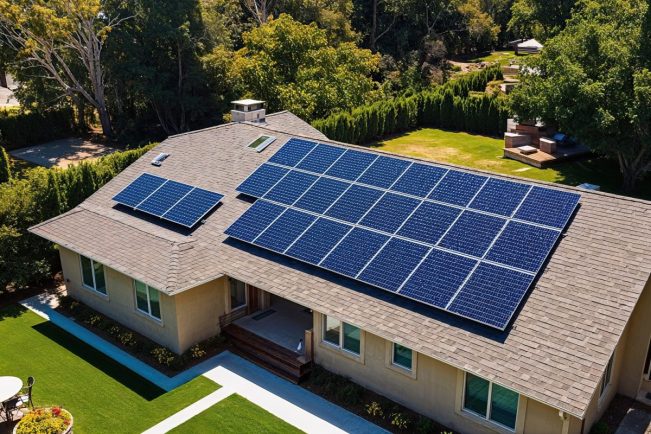
- Solar panels: These can reduce electricity costs and even allow you to earn money through schemes like the Smart Export Guarantee (SEG).
These upgrades not only improve comfort but also enhance the long-term value of your property.
Why Are These Grants Important?
Energy grants serve both individual and societal purposes. On a personal level, they help reduce financial stress by lowering energy bills. Many households have reported savings of hundreds of pounds annually after making energy-efficient upgrades.
On a broader scale, these grants contribute to the UK’s environmental goals by reducing carbon emissions and dependence on fossil fuels. Improving the energy efficiency of homes supports the government’s goal of achieving net-zero emissions, making programmes like ECO4 a vital part of this strategy.
Common Challenges and How to Overcome Them
 While these grants provide valuable support, some households encounter challenges during the application process. Here’s how you can navigate them:
- Unclear eligibility criteria: Eligibility rules can sometimes seem complicated. Using online tools or consulting energy specialists can simplify this step.
- Delays in approvals: Paperwork and administrative hurdles can slow the process. To avoid delays, ensure all required documentation is complete and accurate.
- Finding reputable providers: With many companies offering similar services, it’s important to choose one with a solid reputation. Reading reviews and checking for government accreditation can help you make a reliable choice.
Addressing these challenges early can save time and frustration, ensuring you can focus on making meaningful energy improvements to your home.
Final Thoughts
Home energy grants are a practical way to reduce energy costs while contributing to national sustainability goals. Knowing the eligibility criteria, application process, and available improvements allows you to make informed decisions that benefit both your household and the environment. If you’re considering applying, take the first step today by assessing your eligibility and exploring your options.
Article written by Anita Salinas